Business & TechReading Time: 8 min read
The OnePlus–Realme Merger Might Not Be a Disaster - But It Changes Everything
Source: 2pixelblogs team

The Merger Looks Bigger Than a Simple Rumour
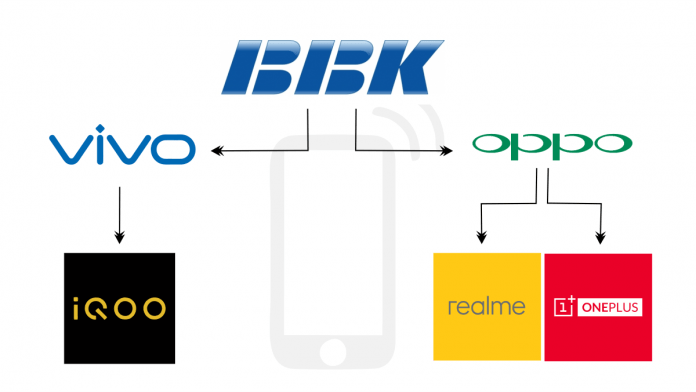
Reports across major tech and business outlets suggest that OnePlus and Realme are being brought closer together under Oppo through a new shared product and business structure. The language varies by outlet, but the broad picture is consistent: more shared planning, more shared operations, and tighter coordination across markets.
At first glance, that sounds like bad news. Fans worry about OnePlus losing its identity, Realme losing its edge, or both brands turning into copies of each other. Those concerns are valid, but they are only half the story.
Why This Merger Could Actually Help
For years, Oppo’s wider brand family has looked efficient from the outside and messy from the inside. Too many similar phones, too much overlap, and too many launches competing for the same attention.
A tighter OnePlus–Realme relationship could help solve that. If Oppo gives OnePlus a clearer premium role and keeps Realme focused on aggressive value, the result may be less duplication and better product clarity for customers.
That is why some coverage argues this isn’t necessarily the disaster people think it is. The move could be less about destroying brands and more about forcing them into sharper positions.
What the Reports Actually Say
Most reports describe the same broad framework:
- A new sub-product center combining global and domestic operations.
- Shared product development, strategy, and resources.
- Merged marketing and service functions.
- Leadership that appears to connect both brands more directly to Oppo’s central structure and Pete Lau.
At the same time, official confirmation has not been fully detailed in a public roadmap. OnePlus regional communication has remained careful, which is why the story still sits in that uncomfortable zone between credible reporting and incomplete corporate disclosure.
What Changes for Future Phones
The most likely outcome is not one brand disappearing overnight. The more realistic outcome is deeper platform sharing.
That could mean:
- More OnePlus and Realme phones built from related hardware foundations.
- Faster rollout of features and updates across product lines.
- Cleaner supply chain decisions and better launch timing.
- Fewer pointless overlaps in the same price segment.
This kind of restructuring can improve product efficiency a lot. The challenge is making sure customers still understand why a OnePlus phone should feel different from a Realme phone.
India Is the Most Important Test
India is where this strategy will either look smart or fall apart. Realme has scale in value-driven segments, while OnePlus still carries strong aspirational weight in the premium mid-range space.
If Oppo coordinates both correctly, India could see more disciplined launches, better service integration, and more precise pricing pressure on Xiaomi and Samsung. If Oppo gets lazy, users will just see more overlapping phones with different logos.
The OnePlus Identity Problem
The reason this story hits hard is simple: OnePlus once meant something unusually clear. It stood for a very specific mix of enthusiast trust, speed, value, and anti-mainstream identity.
That identity has already changed over the years, and this merger story amplifies the fear that OnePlus is becoming less of a distinct brand and more of a strategic label inside a bigger Oppo machine. Whether that fear becomes reality depends less on the merger itself and more on the products that ship after it.
What to Watch Next
The most important signals will not be press statements. They will be the next waves of actual devices.
Watch for these signs:
- Are OnePlus and Realme phones becoming too similar in design and pricing?
- Does OnePlus still get a distinct software and camera identity?
- Does Realme remain aggressive, experimental, and value-first?
- Do after-sales and launch cycles become more coherent?
Those answers will reveal whether Oppo has created a stronger portfolio or just a more efficient blur.
Final Take
The OnePlus–Realme merger may not be the catastrophe some headlines imply. But it is still one of the most revealing smartphone stories of 2026 because it shows how hard it has become to keep multiple Android brands distinct inside one corporate family.
For Oppo, this is a test of execution. For users, it is a test of trust. And for OnePlus and Realme, it may be the moment that defines whether they evolve into sharper brands or fade into a shared middle.
M
Originally Published On
Multi-source reporting and analysis
Curated content disclaimer: The views and opinions expressed in this article are those of the original author and do not necessarily reflect the official policy or position of CURATED. This material has been selected for its contribution to ongoing discussions in digital design.
Further Reading
AI & Automation
Claude AI’s 2026 Upgrade: How Anthropic Turned a Chatbot into an Automation OS
Source: 2pixelblogs team · 9 min read
AI & Platforms
GPT‑5.5 Instant: OpenAI’s New Default Model and What It Really Changes
Source: 2pixelblogs team · 9 min read
AI & Multimodal
Gemini 3.1: How Google Is Turning Multimodal AI into a Platform
Source: 2pixelblogs team · 8 min read